
Business Details
50 Years
experience
Natural Pest Control Solutions by Organic Control
Organic Control was founded in 1976 with a vision of a non-toxic future for gardening. Inspired by the natural methods of the founder's mother during World War II, we pioneered the use of beneficial insects for pest management. Our approach focuses on regenerative practices that heal soil and reduce reliance on harmful chemicals. With decades of experience, we supply trichogramma wasps, green lacewings, ladybugs, and beneficial nematodes to combat pests naturally. Our expertise in biological control methods has made us a trusted leader in environmentally conscious gardening solutions.We emphasize proactive pest management through balanced ecosystems rather than reactive chemical treatments. Our team combines scientific knowledge with practical application to deliver effective, sustainable results. We maintain rigorous quality standards for all our live beneficial organisms. Customer education remains central to our mission through detailed product guides and application instructions. Our commitment to innovation continues to drive advancements in natural pest control technology.


Services
Ladybug Pest Control
Beneficial Nematodes
Praying Mantid Eggs
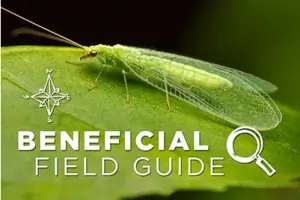
Green Lacewing Larvae
Flea Control Solutions
Aphid Management
Spider Mite Control
Fungus Gnat Treatment
Soil Pest Management
Organic Gardening Supplies
Details
- Year established: 1976
Highlights and features
- We offer 50+ years of expertise in biological pest control
- Our products target specific pests without harming ecosystems
- We provide detailed application guidance for optimal results
- Our solutions work with natural cycles rather than against them
- We maintain live insect viability through specialized packaging
Services
Ladybug Pest Control
Ladybugs (Hippodamia convergens) consume up to 50 aphids daily while also attacking scale, mealy bugs, and leafhoppers. These beneficial insects work continuously in gardens, multiplying when pest populations increase. Our ladybugs arrive in temperature-controlled packaging to ensure viability, with detailed release instructions for maximum effectiveness.
Beneficial Nematodes
Steinernema feltiae nematodes target over 230 soil-dwelling pests including grubs, fungus gnats, and weevils. These microscopic organisms penetrate pests' larvae, effectively breaking their life cycle without harming plants or earthworms. Applications treat up to 2,000 sq ft with lasting effects for two years.
Praying Mantid Eggs
Praying mantis egg cases (oothecae) hatch into generalist predators that control various garden pests. Young mantids consume aphids and thrips while adults tackle larger insects like grasshoppers and beetles. These natural hunters establish permanent populations in treated areas, providing season-long protection.
Fungus Gnat Control
Targeted nematode applications eliminate fungus gnat larvae in houseplants and greenhouses. The microscopic worms attack all soil-dwelling life stages, breaking the pest's life cycle without chemical residues. This solution works effectively in both indoor and outdoor growing environments.
Green Lacewing Larvae
Lacewing larvae (Chrysoperla carnea) effectively control aphids, spider mites, and whiteflies through voracious predation. Each larva consumes hundreds of pests during its development phase. Our temperature-controlled packaging ensures maximum hatch rates and immediate pest-fighting capability upon release.
People
Steve Hazzard
Founder
Steve Hazzard founded Organic Control in 1976 after observing his mother's chemical-free gardening methods during WWII. He pioneered beneficial insect use for home gardeners, developing practical applications for trichogramma wasps and green lacewings. His vision continues guiding the company's regenerative approach.
Questions
How do beneficial insects control garden pests?
Beneficial insects naturally hunt specific pests - ladybugs eat aphids, nematodes attack soil pests, and lacewings target soft-bodied insects. They establish populations where food sources exist.
Can I use pesticides with beneficial insects?
Avoid pesticides when using beneficial insects. Chemical residues can kill these natural predators and disrupt ecosystem balance. Wait for pesticide breakdown before introducing beneficial species.
Will ladybugs stay in my garden?
Ladybugs remain where food sources exist. Watering before release and staged applications over several days improve retention rates. Some may migrate if pest populations decline.
How do nematodes work for grub control?
Beneficial nematodes seek out and penetrate grub larvae in soil. They release bacteria that kill pests within 48 hours. Applications target the pest's vulnerable soil-dwelling life stage.
When should I apply beneficial nematodes?
Apply nematodes in evening hours to avoid sunlight exposure. Ensure soil moisture before and after application. Maintain temperatures between 35-50°F for optimal nematode activity.
Videos