Business Details
50+ Years
experience
Emergency
services
Sacramento-Yolo Mosquito and Vector Control District
Since 1946, our organization has dedicated itself to safeguarding public health through comprehensive mosquito and vector control in Sacramento and Yolo counties. Our approach combines scientific expertise with community engagement to mitigate disease risks. We employ proven methods such as surveillance, biological control using mosquitofish, and targeted treatments to reduce mosquito populations. Our team of certified technicians operates across 26 zones, addressing both urban and rural vector challenges. We maintain partnerships with public health agencies to monitor disease transmission patterns and respond swiftly to emerging threats.Through educational programs and outreach, we empower residents to participate in prevention efforts. Our commitment to innovation includes implementing sterile insect techniques and advanced GIS mapping for precision control. We provide 24/7 emergency response for critical vector situations while maintaining strict compliance with environmental regulations. Our governance structure ensures accountability through a publicly elected board overseeing operations. Decades of experience have established us as a trusted authority in vector management, prioritizing both community safety and ecological balance.
Services
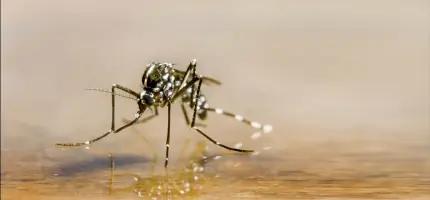
Mosquito Control
Vector Surveillance
Biological Control
Public Education
Pool Management
Details
- Year established: 1946
Highlights and features
- We offer 79 years of proven expertise in vector control
- Our biological control program produces 2000-7000 pounds of mosquitofish annually
- We provide free public education presentations on mosquito prevention
- Our 24/7 emergency response handles neglected pool reports and disease outbreaks
- We maintain partnerships with California Department of Public Health for disease surveillance
Services
Mosquito Control
Our comprehensive mosquito control program combines surveillance, biological control, and targeted treatments to reduce disease-carrying mosquito populations. We utilize environmentally responsible methods including larvicides, adulticides, and sterile insect techniques. Our state-certified technicians monitor 26 zones across 2,013 square miles to identify and mitigate breeding sites.
Vector Surveillance
We maintain an extensive surveillance network tracking mosquito populations and disease transmission patterns. Our laboratory analyzes samples to detect West Nile virus and other pathogens. This data informs targeted control measures and public health advisories. We collaborate with state agencies to monitor disease activity in real-time.
Biological Control
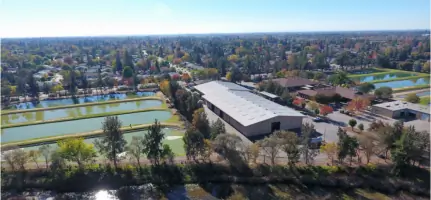
Our biological control program produces 2000-7000 pounds of mosquitofish annually to combat larvae in standing water. We maintain 23 breeding ponds producing Gambusia affinis, a proven predator of mosquito larvae. We provide free fish distribution to residents and implement biological treatments in public water sources.
Public Education
We offer free educational presentations to schools and community groups about mosquito prevention. Our programs cover disease risks, bite prevention, and habitat elimination. We distribute multilingual resources and maintain an interactive website with prevention tips and service updates.
Pool Management
Our pool program addresses neglected swimming pools that produce millions of mosquitoes. We respond to resident reports, treat pools with biological controls, and provide maintenance guidance. We work with property owners to eliminate breeding sites while maintaining water safety standards.
Questions
What services does the district provide for mosquito control?
We offer comprehensive mosquito control including surveillance, biological control with mosquitofish, larvicide treatments, and targeted adult mosquito spraying. Our services also include neglected pool management and public education programs.
How can residents report mosquito problems?
Residents can report mosquito issues through our online service request form, by phone at 1-800-429-1022, or by submitting dead bird reports. We respond to service requests for biting mosquitoes and neglected pools.
What methods are used for mosquito control?
We employ integrated pest management techniques including surveillance, biological control with mosquitofish, larvicides, adulticides, and sterile insect technology. Our approach prioritizes environmental safety and community health.
How does the district handle neglected swimming pools?
We respond to neglected pool reports by treating water with biological controls, providing maintenance guidance, and working with property owners to eliminate mosquito breeding sites while maintaining water safety standards.
What educational resources are available?
We offer free presentations to schools and community groups, distribute multilingual prevention materials, maintain an informational website, and provide guidance on personal protection measures and habitat elimination techniques.
How does the district monitor disease transmission?
Our laboratory analyzes mosquito samples for West Nile virus and other pathogens. We maintain surveillance networks tracking disease activity and collaborate with state health departments to implement targeted control measures when needed.